
Table of contents
A public health crisis and debilitating personal challenge, opioid addiction ravages people’s lives. While you may have no intention of developing a damaging drug habit, it was an uninformed medical system that pushed narcotic pain relievers on the public with little or no oversight. Effective opioid use disorder treatment is essential for recovery and addiction management.
Book an appointment todayAccording to NCDAS, approximately 9 million people misuse opioid drugs in a year.
What Are Opioids?
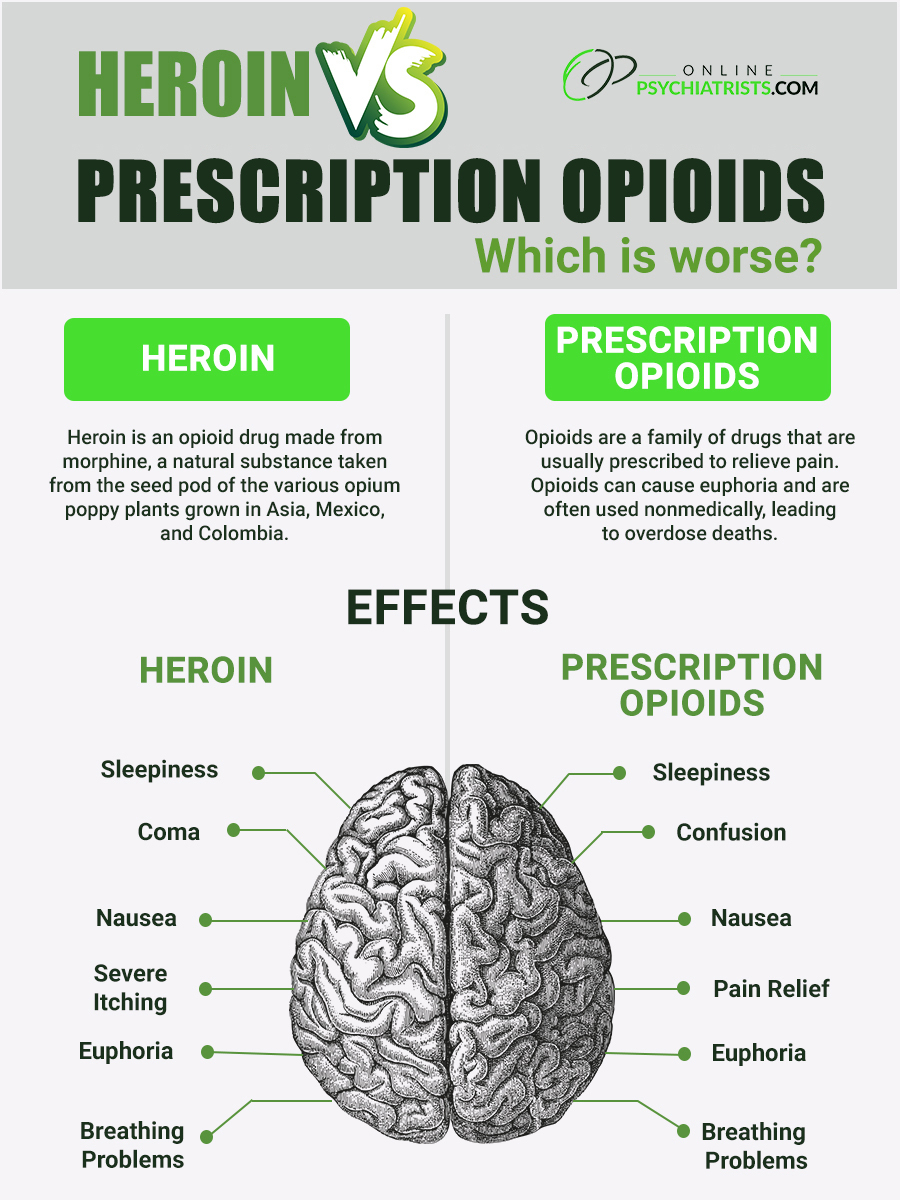
Opioids are a class of natural and synthetic drugs that bind to opioid receptors in the brain and body to relieve pain and can produce euphoria when misused. Common prescription opioids include oxycodone, hydrocodone, fentanyl, and tramadol; the illegal drug heroin also falls into this category. Opioids are used medically for moderate to severe pain but carry the risk of dependence and addiction if misused.
Fentanyl
Fentanyl is a powerful synthetic opioid used medically for severe pain, but it has become the leading cause of opioid-involved overdose deaths due to illicitly manufactured supplies.
According to the National Center for Drug Abuse Statistics, nearly 73,000 overdose deaths in 2023 involved fentanyl. Far more potent than heroin, fentanyl now accounts for about 69% of all opioid-related fatalities.
Prescription Opioids
Prescription opioids are legally prescribed for pain management, yet misuse has become widespread.
In 2023, about 3.2% of American adults abused opioids, and between 1999 and 2023, opioid-related overdose deaths rose nearly ninefold nationwide. - Opioid Epidemic: Addiction Statistics. 2023.
Heroin
Heroin is an illegal opioid derived from morphine that carries high risks of addiction and overdose.
Roughly 902,000 Americans use heroin each year, and research shows that about 80% of heroin users first misused prescription opioids. - Opioid Epidemic: Addiction Statistics. 2023.
Who Is at Risk of Opioid Addiction?
Anyone can become addicted to opioids, even those who take the medication as directed to treat pain. But some factors put you at a higher risk of developing an opiate addiction. Opioid addiction is a risk for those who:
- Have a family history of addiction or alcoholism
- Have an incessant desire for pleasure
- Tend to overuse drugs
- Had childhood adversities
- Suffer from long-term, chronic pain
- Have a history of legal problems
- Experience mood swings
- Didn’t get accurate information from a medical provider
At Online Psychiatrists, you’ll find a medical doctor specializing in opiate addiction treatment. Serving adults between the ages of 19 and 65 in New York, New Jersey, and Florida, your psychotherapist provides both medical assistance and therapeutic talk therapy programs to help you overcome your dependency. Talk therapy is available in person and online through effective telepsychiatry.
How Does Opioid Addiction Happen?
Opioids are the most effective medications available to treat pain, so your doctor may prescribe opioids for pain relief after surgery or for managing chronic pain. Well-intentioned doctors often underestimate the risks and prescribe opioids for too long. Sometimes, they recommend potent narcotics when weaker ones would have been sufficient.
However you started taking the opioids, the science behind the addiction is clear. Opioids cause chemical changes in your brain that numb physical pain and cause you to feel pleasure and drowsiness. Your addiction happens in a step-by-step process, such as:
- The feeling you get from opioids is intoxicating, and you want to feel it again and again.
- As you take the drug, you develop a dependence and a tolerance, which forces you to need more and more opioids to experience the same effect.
- Even if you don’t like the feelings caused by opioids, you can still become addicted.
- Eventually, your brain stops naturally producing as many feel-good chemicals called endorphins, since it’s getting them from the medication.
Signs of Opioid Use Disorder
OUD can present with several behavioral and physical indicators:
- Intense cravings – a strong urge to use opioids
- Inability to cut down use – unsuccessful attempts to reduce or stop
- Continued use despite harm – using opioids even when it causes health, social, or occupational problems
- Increased tolerance – needing higher doses to achieve the same effect
- Withdrawal symptoms – experiencing discomfort when opioids are reduced or stopped
- Neglecting responsibilities – prioritizing drug use over work, school, or family obligations
Recognizing these signs early is critical. OUD is a chronic condition but treatable with evidence-based approaches such as medication-assisted treatment (e.g., buprenorphine, methadone, naltrexone) and behavioral therapies. Prompt intervention improves outcomes and reduces risks of overdose, injury, and long-term health complications.
What Happens if I Stop Taking Opioids?
Opioid dependence means that you need the drug to feel normal. Withdrawal refers to the symptoms you undergo when you try to stop taking opioids cold turkey. The withdrawal process causes symptoms that include:
- Depression
- Physical pain
- Diarrhea
- Nausea and vomiting
- Anxiety
- Insomnia
- Cold chills and sweats
Although opioid withdrawal is not life-threatening, the long process of suffering is one reason it’s so hard to quit. But it’s possible to get through safely with the help of a compassionate and well-informed medical practice like Online Psychiatrists. They know how to treat the various aspects of opioid addiction. Addiction treatment is one of their specialties.
Consequences of Prolonged Opioid Use
Extended use of opioids can result in a range of complications, such as:
- Tolerance – requiring higher doses to achieve the same effect
- Physical dependence – withdrawal symptoms when stopping or reducing use
- Hormonal dysregulation – disruptions in endocrine function, including reduced testosterone and menstrual irregularities
- Respiratory depression – slowed or shallow breathing, which can be life-threatening
- Gastrointestinal issues – constipation, nausea, and other digestive problems
Over time, chronic opioid use increases the risk of accidental injuries, mental health challenges such as depression or anxiety, and potentially fatal overdose due to suppressed breathing.
Signs of Opioid Overdose
Recognizing the warning signs of an opioid overdose is critical for saving lives. Key indicators include:
- Very small pupils
- Slowed or irregular breathing
- Loss of consciousness
- Gurgling or choking sounds
- Limp body
- Pale or bluish skin
- Unresponsiveness
If you suspect an overdose, call 911 immediately and administer naloxone (Narcan), an over-the-counter medication that can rapidly reverse the effects of opioid overdose when given promptly.
Types of OUD Treatments
Effective treatment for OUD combines medication and therapy to reduce cravings, support recovery, and improve functioning.
Medications
Medication-assisted treatment (MAT) uses medications to stabilize brain chemistry, reduce cravings, and support long-term recovery:
- Buprenorphine: Partial opioid agonist that decreases withdrawal symptoms and cravings with lower overdose risk.
- Methadone: Full opioid agonist administered in regulated clinics to stabilize individuals with moderate to severe OUD.
- Naltrexone: Opioid antagonist that blocks the effects of opioids once detoxified.
These medications are evidence-based and supported by public health agencies to reduce mortality and improve outcomes.
Therapies
Behavioral and psychosocial therapies are a core component of treatment:
- Cognitive Behavioral Therapy (CBT) helps patients identify triggers and develop coping skills.
- Motivational Interviewing enhances motivation and commitment to recovery.
- Contingency Management uses positive reinforcement for maintaining sobriety.
- Support groups and family therapy provide social support and accountability. These modalities improve long-term recovery when combined with MAT.
Myths About Opioid Use Didsorder
Only People With OUD Can Overdose
Anyone using opioids, even once or without a diagnosed disorder, can experience life-threatening respiratory depression or fatal overdose. Overdose risk increases when drugs are misused, combined with alcohol or sedatives, or when tolerance changes.
People With OUD Can Stop Any Time
OUD is a chronic medical condition involving brain changes that affect self-control and decision-making. Stopping opioids without support often leads to severe withdrawal and high relapse risk, making treatment necessary.
Medications Used to Treat OUD are Replacing One Drug With Another
Medications like buprenorphine, methadone, and naltrexone do not substitute one addiction for another; they stabilize brain chemistry, reduce harmful cravings and use, and are clinically proven to decrease overdose risk and support recovery.
Frequently Asked Questions
How long does opioid withdrawal last?
Opioid withdrawal timing depends on the drug used, dosage, and length of use.
- Short-acting opioids (heroin, oxycodone): symptoms may begin within 6–12 hours and peak at 2–3 days
- Long-acting opioids (methadone): symptoms may start after 24–48 hours and last longer
- Acute withdrawal typically lasts 5–10 days
- Post-acute withdrawal symptoms (PAWS) such as anxiety, sleep problems, or cravings may persist for weeks or months
Medical supervision can significantly reduce discomfort and risks.
Can you die from opioid withdrawal?
Opioid withdrawal is rarely fatal on its own, but it can be dangerous without medical care. Risks include:
- Severe dehydration from vomiting or diarrhea
- Heart complications in people with underlying conditions
- Increased risk of overdose if relapse occurs after withdrawal due to reduced tolerance
Supervised treatment greatly improves safety.
When did the opioid epidemic start?
The opioid epidemic in the U.S. began in the late 1990s. Key factors include:
- Increased prescribing of opioid pain medications
- Misleading claims about low addiction risk
- Rising use of heroin and later synthetic opioids like fentanyl
The epidemic has continued to evolve and remains a major public health crisis.
Why is opioid addiction so hard to treat?
Opioid addiction affects both the brain and behavior, making recovery complex. Challenges include:
- Strong physical dependence and cravings
- Changes in brain chemistry affecting judgment and impulse control
- High relapse risk without long-term support
- Co-occurring mental health conditions
Effective treatment often combines medication, therapy, and ongoing care.
How quickly do people become addicted to opioids?
Addiction can develop faster than many people expect.
- Physical dependence may begin in as little as 1–2 weeks
- Risk increases with higher doses or extended use
- Some individuals are more vulnerable due to genetics or mental health factors
Even prescribed use can lead to addiction if not carefully monitored.
Where can people get methadone, buprenorphine, or naltrexone treatment?
These medications are available through licensed healthcare providers.
- Methadone: provided at federally certified opioid treatment programs
- Buprenorphine: prescribed by qualified physicians, psychiatrists, and telehealth providers
- Naltrexone: available through many outpatient clinics and mental health providers
Online psychiatric services may offer evaluation and medication-assisted treatment when appropriate.
Are medications for opioid use disorder addictive?
Medications like methadone and buprenorphine are not considered addictive in the same way as opioids.
- They stabilize brain chemistry and reduce cravings
- When taken as prescribed, they do not cause euphoria
- They lower overdose risk and improve long-term recovery outcomes
These medications are evidence-based and widely recognized as life-saving treatments.
Your medical psychotherapist takes an integrative approach, treating the mind and body together. It’s a crucial step for overcoming opioid addiction. Contact Online Psychiatrists today to begin your road to recovery.