
Table of contents
Don’t wait to get help if you are suffering from porn addiction and want to quit. Withdrawal from porn is real and can be challenging to cope with, but professional guidance can prevent you from giving in to the same impulses and behaviors again. Dr. Zlatin Ivanov understands how porn affects life and comes up with treatment options and therapies that are tailored to your unique needs and deliver desired outcomes. With his experience and insight, you can look forward to fighting porn addiction, dealing with withdrawal symptoms successfully, and living an improved quality of life.
Book an appointment today
Pornography addiction can interfere with one’s daily life, relationships, and ability to think, feel, behave, and work. Even though porn addiction is currently not classified as a recognized mental health disorder, many psychologists and therapists believe this unhealthy behavior towards porn shows signs of addiction.
If not addressed timely, porn addiction can become a massive problem. However, cutting back on porn use or stepping away from it is also not easy and results in withdrawal symptoms that are often tough to manage and make recovery even harder.
Read more: The 7 Best Over-The-Counter Anxiety Medications Out There
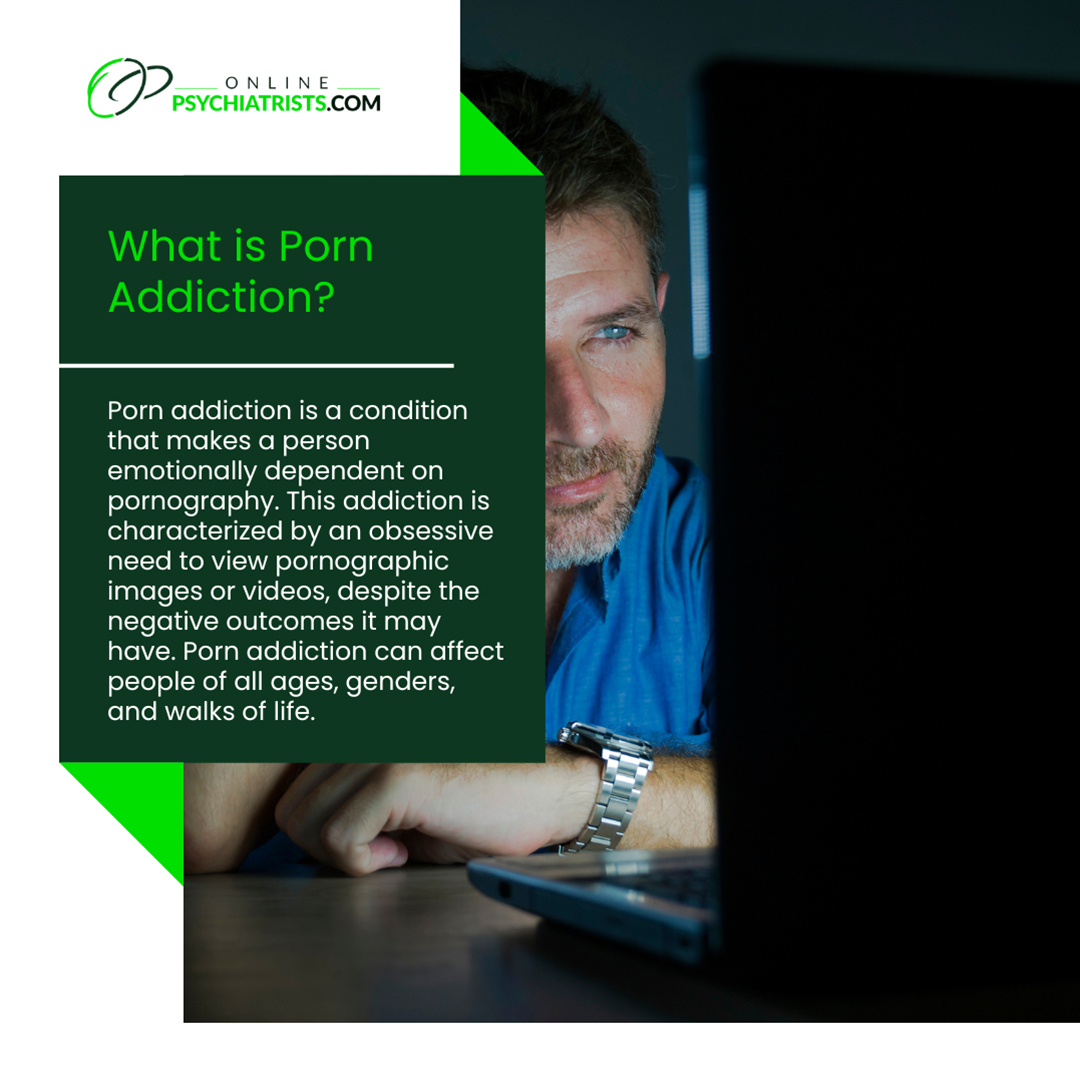
What is Porn Addiction?
Porn addiction is a condition that makes a person emotionally dependent on pornography. This addiction is characterized by an obsessive need to view pornographic images or videos, despite the negative outcomes it may have. Porn addiction can affect people of all ages, genders, and walks of life.
Porn addiction withdrawal is similar to withdrawal from other types of addiction. As you attempt to quit, your brain experiences a shift in dopamine levels. Dopamine is a neurotransmitter that is associated with pleasure and motivation. The brain releases dopamine when we do something that feels good, like eating, having sex, or using drugs. The brain becomes used to high dopamine levels when you are addicted to pornography. When you try to quit, the brain does not get the dopamine hit it became used to, which leads to withdrawal symptoms.
Understanding porn addiction withdrawal symptoms is very important for managing and coping with them the right way.
Read more: What Is Outpatient Treatment for Mental Health?
What Are Porn Addiction Withdrawal Symptoms?
Withdrawal symptoms are usually the opposite of how you feel during addiction to something. If you feel calm, content, or satisfied while watching porn or afterward, porn withdrawal will make you feel anxious and disturbed. Like any other addiction, quitting porn can be extremely difficult and lead to many other problems, some of them without symptoms.
Discussed here are the 12 most common symptoms of porn addiction withdrawal.
1. Anxiety
It is one of the most common symptoms of porn addiction withdrawal. Anxiety can manifest in many ways, such as feelings of restlessness, panic, or feeling on edge. They feel as if they have lost something significant or comforting, and it leads to stress and anxiety
2. Depression
Most people with porn addiction also struggle with depression and experience extreme emotional discomfort during early sobriety. It is because pornography was their primary way of coping with boredom, stress, or discomfort, and when it is taken away, they no longer have this easy means of escape or numbing their mind. Facing their emotions is an uncomfortable experience and makes them feel sad and depressed.
Contact us
3. Irritability
It is another commonly experienced withdrawal symptom of porn addiction. This is usually due to the anxiety and stress of losing what was considered a means of coping with stress in life.
4. Loss of Libido
Loss of libido is another symptom of porn addiction withdrawal. People lose interest in sex because they have become so used to the instant gratification or pleasure porn provides that real-life sexual encounters do not seem exciting or fulfilling to them.
5. Insomnia
Lack of sleep, or trouble sleeping is something many people struggling with addiction suffer from. It is due to the anxiety and stress that comes with quitting, or it may also be the side effect of the changes in the brain chemistry resulting from addiction.
6. Fatigue
Exhaustion, tiredness, or fatigue is a common symptom of porn addiction withdrawal. You may feel unwell, more tired than usual, and have high-stress levels. The feelings of lethargy may occur due to changes in sleep patterns, as well as the mental and physical stress that comes with the addiction.
7. Headaches
Most people trying to give up porn addiction experience headaches, especially during the early days.
8. Disturbing Thoughts
This symptom is experienced by a majority of people trying to give up addiction. They report disturbing thoughts about porn even when they try not to think about it or want to stay away from it. These disruptive thoughts can be distressing and make it difficult to focus on other things.
9. Cravings
Cravings or the desire to switch to another addiction is one of the most challenging symptoms of addiction withdrawal. During the initial stage of recovery and healing, many porn users feel the urge to replace their use of pornography with some other compulsive or addictive activity. They may find themselves attracted to drinking, drugging, smoking or eating, or any other activity that offers escape. Such cravings can be intense and overwhelming and may even lead to relapse if they are not managed well.
10. Mood Swings
Mood swings are normal during an addiction withdrawal period. It is because the brain goes through many changes when you try quitting an addiction, and it can lead to mood instability and related issues.
11. Difficulty Concentrating
Many people addicted to porn face difficulties in concentrating on other things in life, such as education, family, or job. It is mostly due to the intrusive thoughts and cravings that accompany addiction.
12. Social Isolation
People addicted to porn experience social isolation when trying to quit it. It is because they feel the shame and embarrassment that comes with addiction.
Extreme symptoms, especially depression, dissection, and anxiety, need medical assistance, and you should consult a licensed and trained therapist as soon as possible.
Effective Treatment Options for Porn Addiction & Withdrawal
While understanding the symptoms of withdrawal is the first step, overcoming the dopamine dependency often requires professional support. Because porn addiction acts on the brain’s reward system similarly to chemical substances, "willpower" alone is often insufficient to manage the intense anxiety, mood swings, and insomnia that come with quitting.
At Online Psychiatrists, we utilize a comprehensive medical approach to help you stabilize your brain chemistry and reclaim control.
Medication Management
Many individuals use pornography to self-medicate undiagnosed underlying conditions. When you stop, those conditions, such as depression or anxiety, often flare up intensely.
- How it helps: Our psychiatrists can evaluate if non-addictive medications are appropriate to stabilize your mood, reduce impulsive urges, and treat the severe insomnia or panic attacks often associated with withdrawal.
Why it matters: Stabilizing your brain chemistry makes the psychological work of recovery significantly easier.
Psychotherapy (CBT & Talk Therapy)
Cognitive Behavioral Therapy (CBT) is the gold standard for treating impulse control issues.
- How it helps: We help you identify the specific emotional triggers (HALT: Hungry, Angry, Lonely, Tired) that lead to relapse. By reframing these thought patterns, you can develop healthier coping mechanisms for stress.
- Explore: Learn more about our psychotherapy services.
Couples Counseling
Porn addiction rarely happens in a vacuum; it often erodes relationship trust and can lead to sexual dysfunction (such as PIED) within a partnership.
How it helps: Our couples counseling provides a safe, neutral space to navigate the betrayal trauma, rebuild intimacy, and establish boundaries that support recovery for both partners.
Telepsychiatry (Private & Accessible)
We understand that shame is a major barrier to seeking help.
- How it helps: Our telepsychiatry services allow you to receive expert medical care and therapy from the privacy of your own home. There is no need to sit in a waiting room; you can access care anonymously and conveniently.
Take the Next Step
You do not have to white-knuckle your way through withdrawal symptoms alone. If anxiety, depression, or cravings are impacting your ability to function, professional help is available.
Book your consultation today to discuss a personalized treatment plan.